
Insect & Rodent Control
In East Sussex and West Sussex
FREEPHONE - 0800 092 9882
MOBILE - 07767 875626




Over 30 years experience in Pest Control
We can help with all types of insect & rodent problems
Pest Control in Domestic, Commercial, Industrial & Agricultural Premises in East Sussex and West Sussex
** 60 – 90 minutes Response Time in Sussex where possible
Protect Pest Control provide a fast and effective service dealing with the eradication of pests including:
- Ants
- Bed Bugs
- Cockroaches
- Fleas
- Flies
- Mice
- Mink
- Moths
- Rabbits
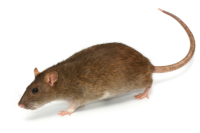
- Rats
- Silverfish
- Squirrels.
- Wasps, Bees + Hornets
The Proprietor is an Associate of the Royal Society of Health with more than 30 years experience in Pest Control and qualified to DIP RSH Level 2 Standard (Royal Society of Health Diploma).
We Provide a High Quality Service at Very Competitive Prices.
- Fast response to call-outs – NO CALL OUT CHARGE.
- Products used in homes are suitable for domestic use and measures are taken to prevent hazards to occupants, children, pets and non-target species.
- All work is carried out in accordance with COSHH Compliance Regulations – Health & Safety Data sheets are left on site.
- All our work is fully guaranteed.
- Maintenance Contracts undertaken.
- We charge the same rates throughout the county regardless of location – no mileage charges.
- We do not leave a mess behind!
Number of Visits Required
The number of visits required during typical treatments are as follows:
Rodents, including squirrels – three visits.
Bed bugs and cockroaches – minimum of three visits.
Wasps and hornets one visit only required.
Fleas, flies, ants and woodlice – typically one visit.
Moths and spiders are surveyed and customer advised as to likelihood of repeats being necessary.
Call now on FREEPHONE – 0800 092 9882 or 0800 056 0222 to discuss your pest control requirements or fill-in our e-mail form
Weed Control Service
We also provide a weed control service for residential properties in Eastbourne and also throughout East Sussex and West Sussex.
This service provides control of weeds on driveways, patios and paths using approved, safe chemicals for which we are fully certified and insured.
For more information about weed control and a quotation for your property please call FREEPHONE – 0800 092 9882 or 0800 056 0222 or fill-in our e-mail form
Customer Comment :
Dear Mr Cook,
I am writing to express my great satisfaction with the prompt service of your company, in dealing with and eradicating the presence of some vermin in our loft.
Read full comment + more testimonials
** 10% Discount for OAP’s
Commercial Maintenance Contracts
From – £75 per visit
We can provide commercial maintenance contracts to comply with current legislation for small retail and catering outlets in Sussex.
Please call on 0800 092 9882 or 0800 056 0222 to discuss your requirements.



A large hornet evicted from a bird box

A large hornet evicted from a bird box

Rat bait box feeder